

Grout affects both the appearance and maintenance of a tiled surface. Choose it for the tile material, finish, joint width and location, not colour alone.
Choose a compatible grout
Glass, stainless steel, copper and shell finishes can be scratched by some grouts. Follow the tile and grout manufacturers’ compatibility advice and test on spare tiles first. Unsanded grout is not a universal solution: its permitted joint width and application still need checking.
Epoxy grout can offer useful stain resistance, but cost, working time and cleaning requirements vary. It is not automatically the best choice for every finish. Cement-based and other grout types may also suit, depending on the product and application. No grout replaces waterproofing or eliminates cleaning.
Matching or contrasting colour?
When choosing grout colours there are a few options. You can choose a colour similar to the tiles which makes the grout lines less noticeable. This will make the tiles themselves the main attraction, which is usually what people want.
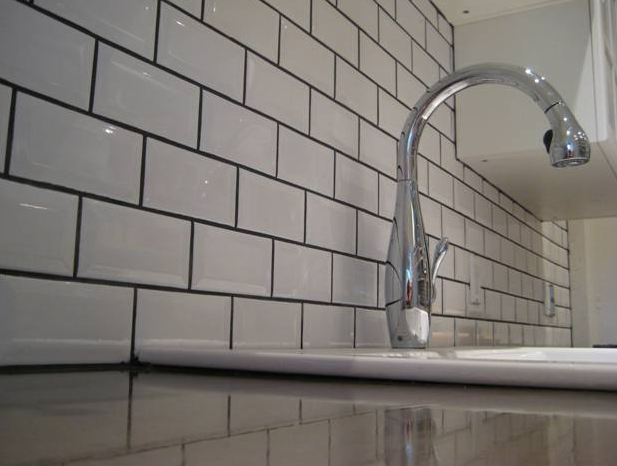
Another option is to choose contrasting colours for example if you have white coloured tiles and pair them with a dark coloured grout it will draw attention to the grout lines and highlight the square or rectangular shapes. The same effect with a dark tile and light coloured grout. Some people like this look and others hate it so be sure you really like it before going through with it.
Make a test panel
Use spare tiles and your proposed grout to check colour, scratching and clean-up before committing to the wall. A physical sample is more reliable than a screen colour. Confirm curing times and any sealing instructions, and use the specified flexible sealant at movement joints.
Order tile samples or contact ExoTiles with your chosen mosaic and intended use for product-specific advice.