
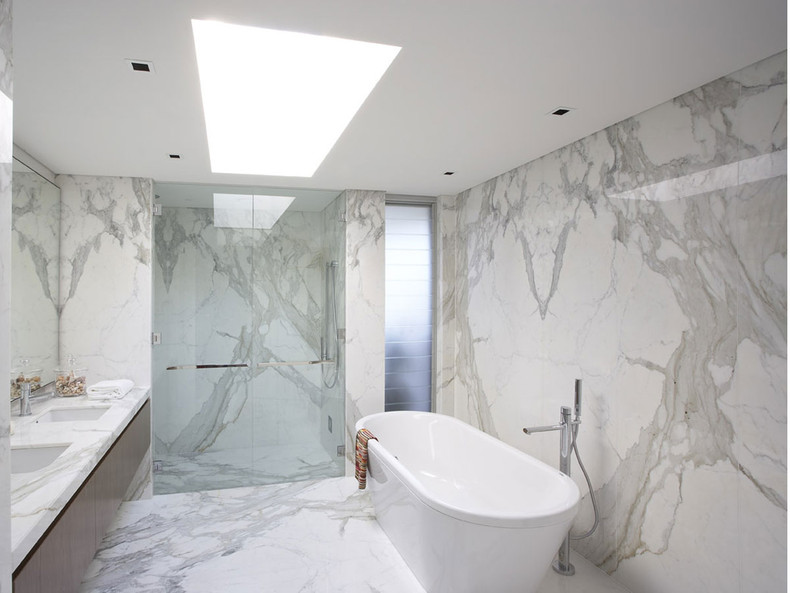
Tiles can be very versatile. You can use them basically in any room in your home. Decorate your kitchen, bathroom, even bedroom and many other areas, with mosaic tiles . The right tile can bring colour, texture and a practical finish to the room.
Besides adding zest, colour and fun to your home, tiles are long-lasting, depending on the type of material you select. Be wise in choosing the colour and style that you’ll enjoy over time.
What are tiles made from?
Tiles can be made from ceramic, porcelain, natural stone, glass, metal and shell, among other materials. Each has different strengths and care requirements. It would do you good to know which finishes and styles will work best in particular rooms of your house.
Do you have any idea what are the materials that can resist dirt and stains as well as moisture? Get here a basic understanding of tiles - this might help you to determine the type that will fit your budget and requirements.
Tile materials and their benefits
Ceramic- Made of minerals, clay and water that are thoroughly blended, ceramic tiles are fired at very high temperatures so that they become extremely solid. There are two types here- the glazed and unglazed ceramic.
Glazed ceramic has a fired surface coating that provides colour and finish. It can be practical to clean, but resistance to scratches, stains and wear varies by product. Check the tile’s intended use instead of judging durability by its shine.
On the contrary, the unglazed tile is without coating but instead, has an even colouring all throughout. For high-traffic areas, choose a floor-rated product with suitable wear and slip performance. Check whether the selected tile requires sealing; a sealer does not make a surface stain-proof.
Ceramic tiles are rated on the amount of moisture they absorb. For outdoor use, also check slip performance, exposure and frost suitability where relevant. Country of manufacture alone does not establish performance.
In recent years there have been advancements in HD ink jet printing technology, allowing for more realistic stone looking ceramic tiles.
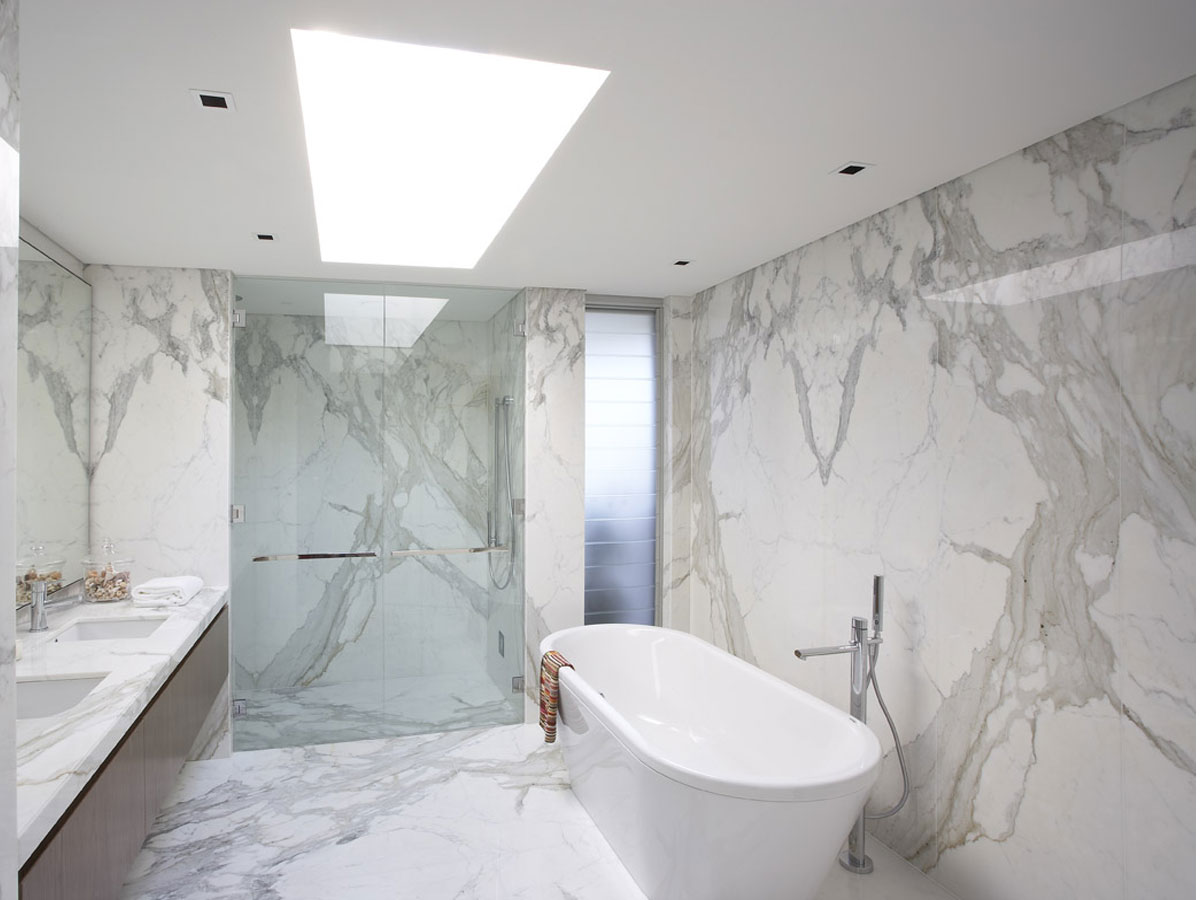
Natural Stone – As far as appearance goes, not much beats real stone. Widely available in marble, granite, travertine and slate, natural stone can suit floors and walls when the specific product and finish are approved for the application. Choose the polished stone which has a shiny finish for your walls and for low-traffic areas.
Stone types differ in porosity, hardness and sensitivity to acids. Confirm the finish’s suitability for the location, cleaning routine and any sealing required. Include this maintenance in your budget.
What to check before buying
Compare samples, confirm wall or floor suitability and measure the area with an allowance for cuts. Ask about backing, adhesive and grout compatibility, especially for glass, metal or shell mosaics. Contact ExoTiles with your project details if you need help.